The Conundrum of Democracy
We love democracy, but not asking how it works or who is it benefiting at the moment? We can change our view the world and how we relate to it.
- capitalism
- ideology
- politics
- praxis
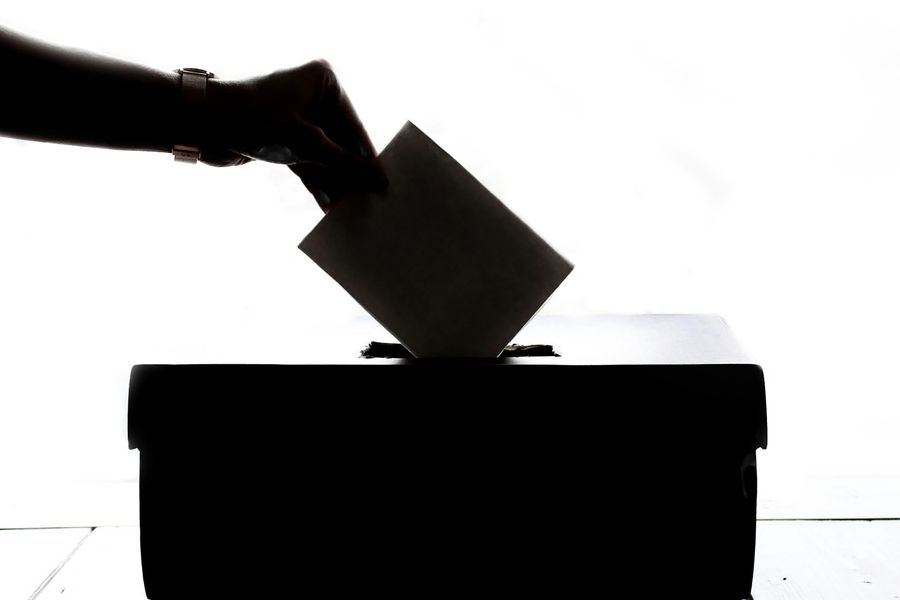
Anti-intellectualism has been a constant thread winding its way through our political and cultural life, nurtured by the false notion that democracy means that 'my ignorance is just as good as your knowledge.
Isaac Asimov
We all love talking about democracy, and many believe it to be the most important pillar of an advanced civilization; but when it comes to defining what it is, we tend to to fall short of real meaningful answers and it becomes an abstract concept that is rooted in whatever we feel and whoever we talk to, many times watering it down to just showing up to vote, and maybe even reading about the candidates of choice.
Democracy is quite an interesting thing, because we apply it every single time we make a choice based on societal privilege. How we dress, adding cream to coffee (like a heathen), which shoes to wear, and every other minutia that can appear in our day-to-day life.
Choices we take for granted and ubiquitous are only possible because, throughout history, the world has evolved to put this decisions in front of us. Think about why is it that your shoes of choice aren't made out of wood and require breaking your bones to fit them in, or the most popular condiment of choice is a mixture of tomatoes and sugar.
Okay, that was facetious, but hear me out: for these ideas to have matured (loosely using that term here because ketchup...) there needed to be societal change, and that change did not come about from out of nowhere. Someone somewhere made a decision that lead to a small change, and through many of those small incremental changes we now buy labubus, pay our overlords to not die of hypothermia, and most importantly, have given our attention away in exchange for free dopamine. (Make sure to tip your landlord)
In the world there are may types of democracies, but there are primarily two varieties: Representative Democracy and Direct Democracy, and they're relatively similar in that for both to happen people have to show up and vote. The main difference comes from what is voted on and who gets to decide what.

Photo by Colin Lloyd / Unsplash
In a representative democracy, people vote to elect officials who will then have the responsibility to represent a community's best interest within an assembly of representatives that will decide on legislation; AKA, Western Democracy. And in a direct democracy, smaller groups of people gather to vote and decide on legislation that will directly affect them and what directions to move on. Think of a smaller group deciding whether there should be a shopping mall or a park on that plot of land.
We practice direct democracy all the time when we decide what's for dinner in the house, or what colour should the walls be painted. And this level of involvement is ideal, and even tough it can get messy as the weight of the decisions increases and there are more risks taken, it is also more rewarding and more relevant, because as you become more involved in the decisions that surround your living area, as well as how you interact with your neighbours, etc. you increase your sense of belonging in your community and how much you care about the things that surround it.
Participative Democracy, on the other hand, offloads the big decisions to the elected officials and your only option is to trust that the decisions they make will align with your own views, and further more, that they have your best interests in mind and act according to them. But when there are thousands of people voting and with the likelihood of those interests lining up as more people are added to that representation decreasing, the possibility of your specific concerns being represented becomes smaller and smaller over time.
Add Capitalism to the mix and, with it, the desire to control the law in order to make more money, and you get a system that is very easy to dissuade and bias towards those who have the ability to incentivize their representatives with gifts, offers and promises that will present a direct material benefit to them. (It took nine paragraphs for me to mention Capitalism. New Record?)
Western media loves to remind us that democracy is pivotal for us to be able to enjoy nice things, but the current state of the world is quite clearly telling us that there are less and less things for us to enjoy, and due to capitalism, less resources for most of us to be able to enjoy those diminishing things. They are also very specifically referring to representative democracy, as their entire future economy depends on most of us being disengaged and not paying attention to where the resources are being funneled to, and this would be impossible in a direct democracy, where citizens would get to decide what happens within their society and in how to utilize their resources effectively.

Photo by Rishabh Sharma / Unsplash
So once again, when was the last time you heard from your elected representative asking about your concerns? What have they done for you and your community while they participated in government debate? Do you still believe they have your best interests in mind when they vote for new legislation?
Now, with direct democracy there are several issues that can play against it in a capitalist society. First of all, capitalism wants us busy working so we don't have time to think and engage in the political process, this is by design. We keep electing representatives and they keep doing whatever it is that they're doing day in and out. nothing changes, we're all good. And if we were to change to a direct system, we would be overwhelmed with information and perhaps continue to vote against our own interests, so a gradual change would be required. Citizen Assemblies and Town Halls in order to make decisions about smaller portions of our cities, or even neighbourhoods would be necessary first, to get people engaged in political activities with direct retribution.
Direct democracies also tend to lack structure on their own, so several neighbourhoods in the city making contradicting decisions would lead to contradicting legislation and rules from one place to the next, so larger frameworks are still necessary to live in larger societies. A mixture of both direct and representative becomes then the best alternative of governance, making localized decisions, and electing people within a local community to represent them in a higher tier assembly with other neighbourhoods to decide on a larger framework, and elect their own representative in a larger assembly, and so on. This would be a group of communities with autonomy over their decision making, associated with larger and larger communities for a more cohesive framework but retaining the focus on specific local needs.
There's admittedly a high level of rambling on this opinion piece, but I believe that understanding these two core concepts and trusting that over time the population at large knows what is best for their own local communities, makes this a worthwhile though to follow.
As the world crumbles before our eyes, and the big capitalist nations try to convince us that destroying other people's worlds is the only way to move forward to maintain our greed and desires for power, I advocate for the opposite. There are reasons why these worlds are so desperately in their sight, and it is precisely because they have been able to survive, and in cases thrive outside of their influence, and in some cases like Cuba, despite of their influence.
My call to action this time around, is to be more critical and think about all the things we have been told over the years, and realizing what perspective they have come from and what interest those thoughts might benefit. Who got richer from you hating people you had never met, and how has your world changed because of it? Maybe the people who are blatantly lying today, had always been lying, and it's only now that the quiet part is being shouted out loud. Please subscribe to my newsletter in the box below to see what other unhinged thoughts are in my head. Let's use our privilege to speak for those who can't. Be good.